


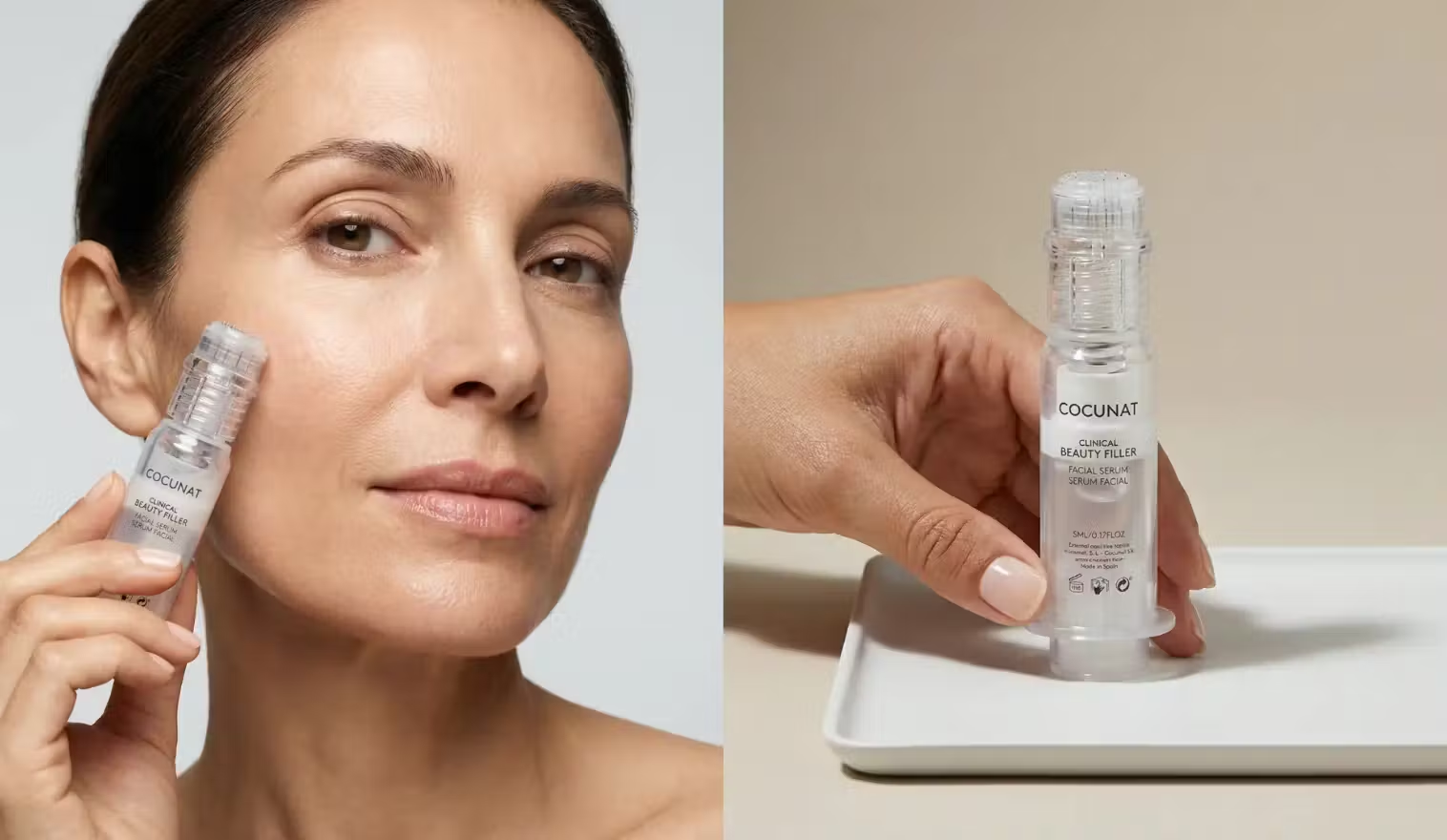
The rise of AI in beauty is redefining how brands imagine, create, and scale their products and campaigns. What started as a technological trend, is now becoming a core driver of innovation, placing AI in beauty at the center of product development, content creation, and brand storytelling.
Today, AI in beauty is not just about efficiency, but also about the possibility of unlocking entirely new creative possibilities. From AI-generated makeup looks to fully virtual campaigns, generative technologies are transforming how beauty brands connect with audiences in faster, more personalized, and visually appealing ways.
At Modelia, we are seeing firsthand how this shift is reshaping the creative process across the industry. Generative AI is not simply a tool; it is a new layer of the creative process that enables brands to move from concept to execution in a faster time, removing many of the traditional barriers that once limited experimentation.
What Generative AI Means for Beauty
Generative AI refers to systems capable of creating new content, like images, videos, text, or designs, based on existing data. In a highly visual and trend-driven industry like beauty, this capability becomes especially powerful.
Instead of relying on long production cycles, brands can now generate visual assets instantly, test ideas in real time, and iterate faster. This transforms creativity into something fluid and adaptable, perfect qualities for a market where trends evolve at an unprecedented speed.
For beauty brands, this means being able to respond faster, experiment more freely, and deliver content that feels both innovative and relevant.
Faster Product Creation and Smarter Innovation
Product development has traditionally been one of the slowest and most resource-intensive processes in beauty. With AI in beauty, this is rapidly changing.
Generative AI allows brands to visualize entire product lines (like makeup collections or skincare concepts) within hours instead of weeks. Teams can explore a wide range of shades, finishes, and formats, refining ideas before moving into production. This helps creative teams, as it accelerates timelines and improves decision-making.
Virtual testing adds another layer of efficiency. Products can be simulated across different skin tones, lighting conditions, and use cases, helping brands anticipate performance and consumer response before anything is physically produced.
At Modelia, this acceleration is a key advantage: reducing time-to-market while increasing creative exploration.
Content Creation at Scale
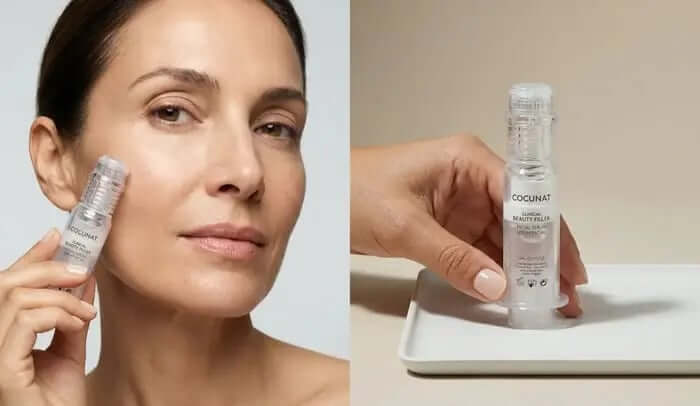
Content is the core of modern beauty marketing and communication, and the demand for high-quality visuals continues to grow. This is where AI in beauty becomes a true game changer.
Generative AI enables brands to produce campaign visuals and video content without the need for traditional photoshoots. Entire creative ecosystems can be generated digitally, ensuring fresh content.
At the same time, personalization reaches a new level. Campaigns can be adapted instantly to reflect different skin tones, cultural contexts, and audience preferences. This ability to localize content at scale makes communication more relevant and engaging.
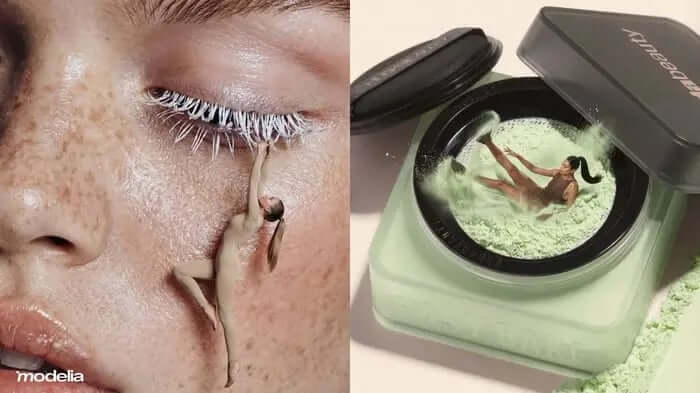
Beyond efficiency, generative AI expands creative boundaries. Brands can explore futuristic aesthetics, surreal beauty concepts, and bold artistic directions that would be difficult to achieve physically. This freedom allows for stronger differentiation in an increasingly crowded digital landscape.
Rethinking Packaging Design
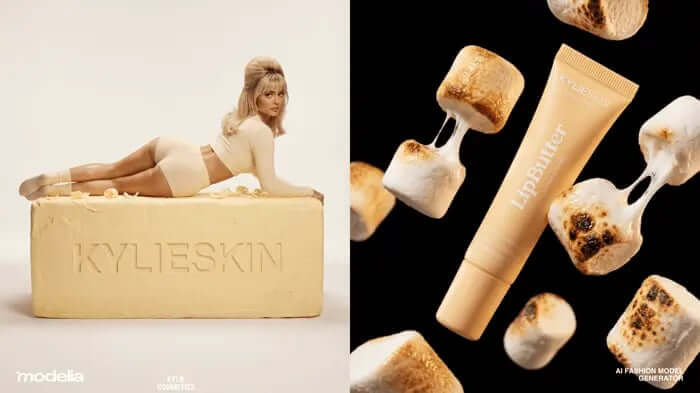
Packaging remains a critical touchpoint in the beauty experience, influencing both perception and purchase decisions. With generative AI, the design process becomes faster, more flexible, and more strategic.
Creative teams can generate multiple packaging concepts in seconds, experimenting with different styles and visual identities. This rapid iteration enables more refined and intentional design choices.
But AI in beauty goes beyond aesthetics. It can also optimize functionality, suggesting more ergonomic shapes, improving usability, and reducing material usage. This is particularly relevant in the context of sustainability, where brands are looking for ways to minimize waste and improve environmental impact.
By integrating design, functionality, and sustainability, generative AI turns packaging into a more holistic process.
Expanding Inclusion and Representation
Inclusivity is one of the most important conversations in the beauty industry today, and AI in beauty has the potential to accelerate meaningful progress.
Generative AI allows brands to create visuals that reflect a wide range of identities, including diverse skin tones, facial features, ages, and gender expressions. This makes it easier to build campaigns that feel more representative and authentic.
At the same time, it removes many of the traditional barriers associated with inclusive production. What once required complex logistics can now be achieved more efficiently, making representation scalable.
However, this also requires responsibility. Brands must ensure that AI-generated content avoids reinforcing stereotypes or promoting unrealistic standards. At Modelia, we believe that technology should enhance diversity, not dilute it, supporting more honest and inclusive storytelling.
Imaginary Worlds and Next-Gen Storytelling
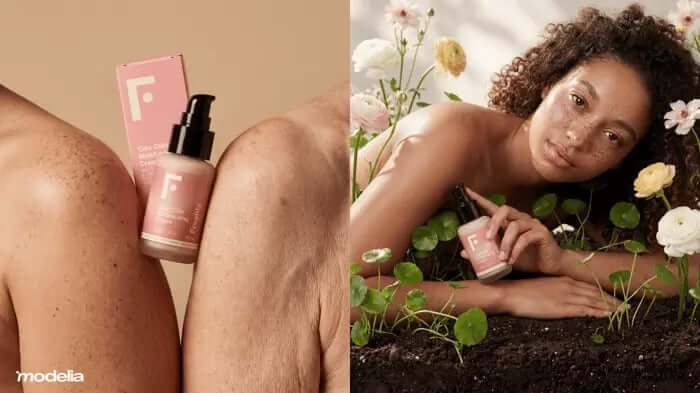
One of the most exciting aspects of generative AI is its ability to create entirely new visual worlds. In beauty, where storytelling is central, this opens up powerful new opportunities.
Products can be placed in all types of environments, capturing attention instantly. These immersive visuals not only stand out but also help brands build stronger, more distinctive identities.
What once required large-scale production can now be achieved digitally, making high-impact storytelling more accessible. This is particularly valuable for emerging brands looking to compete with established players.
Democratizing Beauty Innovation
One of the most transformative effects of AI in beauty is its ability to democratize access to creativity.
With generative AI, smaller brands and startups can produce high-quality visuals, design premium packaging, and launch products faster than ever before. This levels the playing field, shifting the focus from budget to creativity and agility.
As a result, the beauty industry is becoming more dynamic, with new players bringing fresh perspectives and ideas into the market.
Challenges and What Comes Next
Despite its potential, generative AI also introduces important challenges. The balance between authenticity and artificiality remains a key consideration, as consumers continue to value real and relatable experiences.
Transparency will also be essential. As AI in beauty becomes more widespread, brands must clearly communicate how it is used, building trust with their audiences.
Looking ahead, the integration of generative AI will require continuous adaptation. Teams will need to develop new workflows, embrace new tools, and rethink how creativity is produced and scaled.
Conclusion
At Modelia, we see AI in beauty not just as a technology, but as a creative catalyst—one that empowers brands to move faster, think bigger, and create without limits.
The future of beauty is no longer constrained by physical production. It is digital, scalable, and driven by imagination.
Want to elevate your brand with AI?


