

What is Apparel Branding?
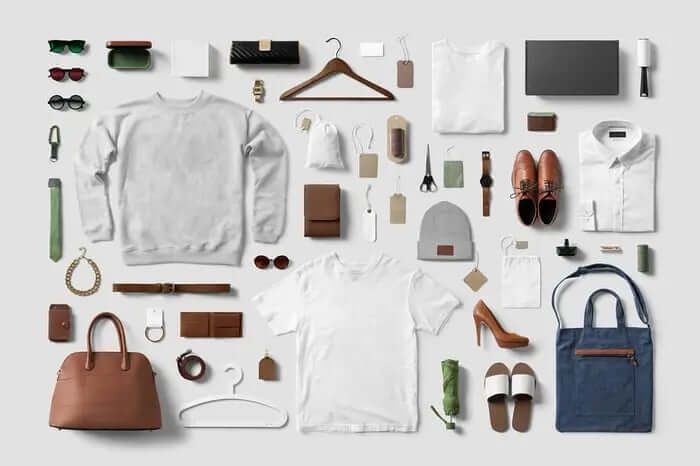
Apparel branding refers to the strategic process of creating a unique identity for clothing products or lines. This identity includes elements such as a logo, design, messaging, and marketing strategies that set a brand apart in the competitive fashion industry.
A strong apparel brand resonates with its target audience by aligning its values, aesthetics, and purpose. From small boutique labels to global fashion giants, apparel branding is crucial for building trust and fostering customer loyalty.
Importance of Apparel Branding
Apparel branding is not just about creating a name or logo; it encompasses a brand's entire experience. Here are the primary reasons why apparel branding matters:
Differentiation: Apparel branding helps a brand stand out in a crowded marketplace. A well-defined brand identity distinguishes your products from competitors.
Customer Loyalty: Strong branding creates emotional connections with customers, encouraging repeat purchases and brand advocacy.
Perceived Value: A powerful brand enhances the perceived value of your apparel, allowing businesses to command premium pricing.
Recognition: Consistent branding builds recognition, making your apparel instantly identifiable to customers.
Elements of Successful Apparel Branding
To create a successful apparel brand, businesses must focus on several key elements:
1. Brand Identity
Includes the brand’s mission, vision, and core values.
A cohesive identity is reflected in the designs, logo, and communication style.
2. Target Audience
Understanding the preferences, demographics, and behavior of the target audience is critical.
Tailor branding efforts to meet the specific needs of your audience.
3. Visual Aesthetics
Elements such as the logo, color palette, and typography must align with the brand’s message.
A visually appealing brand leaves a lasting impression.
4. Consistent Messaging
Consistency across all platforms—social media, website, and offline marketing—reinforces brand identity.
5. High-Quality Products
The foundation of a successful apparel brand lies in the quality of its clothing. Subpar quality can damage brand reputation.
Strategies for Building a Strong Apparel Brand
Creating a successful apparel brand involves strategic planning and execution. Here are some actionable strategies:
1. Develop a Unique Value Proposition
Define what distinguishes your apparel. Whether it’s sustainability, innovative design, or affordability, your unique value proposition should be central to your branding. Clearly communicate what makes your brand special and why customers should choose you over competitors.
Your value proposition should be evident in every aspect of your brand—from product design to marketing campaigns. For example, if your brand emphasizes sustainability, ensure that your materials, manufacturing processes, and messaging reflect this commitment.
2. Invest in Storytelling
Customers connect with narratives. Share the journey of your brand, its mission, and the inspiration behind your designs through engaging content. Use storytelling to humanize your brand and create an emotional bond with your audience.
Consider integrating customer stories or testimonials into your brand narrative. Showing how your apparel impacts real lives can further enhance credibility and connection.
3. Leverage Social Media
Platforms like Instagram, TikTok, and Pinterest are perfect for showcasing your apparel brand. Use high-quality images, videos, and influencer collaborations to cultivate an engaged audience. Interactive content such as live streams, polls, and Q&A sessions can further enhance engagement.
Focus on building a cohesive social media strategy. Consistent posting schedules, branded hashtags, and engaging visuals help establish your brand’s online presence. Don’t forget to analyze metrics to refine your approach over time.
4. Focus on Packaging and Presentation
First impressions count. Invest in attractive packaging and ensure that the unboxing experience reflects your branding. Consider using eco-friendly packaging to appeal to environmentally conscious consumers.
Packaging should not only protect your products but also enhance the overall customer experience. Add personal touches, such as thank-you notes or reusable packaging, to leave a lasting impression.
5. Offer Excellent Customer Service
Outstanding customer service fosters trust and loyalty. Respond to customer inquiries promptly, resolve issues effectively, and seek feedback to improve. Exceptional service can turn one-time buyers into lifelong customers.
Utilize chatbots or AI tools to provide immediate assistance while ensuring that human representatives are available for more complex issues. Regularly follow up with customers to show appreciation and encourage repeat business.
6. Collaborate with Influencers
Partnering with influencers who align with your brand values can help you reach a larger audience. Influencers can showcase your products in a relatable context, making them more appealing to their followers.
Select influencers whose audience matches your target demographic. Micro-influencers, in particular, often have highly engaged communities and can offer authentic promotion at a lower cost compared to larger influencers.
7. Monitor Market Trends
Staying updated on industry trends and customer preferences is essential for maintaining relevance. Use market research and analytics tools to identify emerging opportunities and adapt your strategies accordingly.
Participate in industry events, follow key fashion influencers, and subscribe to trade publications to stay ahead of the curve. Proactively adapting to trends can position your brand as innovative and forward-thinking.
8. Build a Community
Engage your audience by fostering a sense of community. Host events, create loyalty programs, or encourage user-generated content. Building a community strengthens the emotional connection between your brand and its customers.
Encourage customers to share their experiences with your brand on social media, using branded hashtags or contests. Reward active participants to keep them engaged and motivated to continue promoting your brand.
In conclusion, Modelia offers innovative AI-driven solutions that can help apparel brands effectively implement the strategies outlined above. By leveraging AI-generated models and background generation, Modelia empowers brands to craft unique, compelling visuals without the costly and time-consuming processes traditionally associated with photo shoots. This enables brands to focus on storytelling, boost social media engagement, and maintain a consistent and dynamic online presence.
Additionally, Modelia’s AI tools help streamline product presentation, allowing brands to enhance their packaging visuals and create immersive, context-rich imagery that connects with customers on a deeper level. By cutting production costs and providing limitless possibilities for model placement, Modelia not only supports brands in delivering high-quality, customized content but also frees up valuable resources to focus on exceptional customer service, influencer collaborations, and trend adaptation. With Modelia, brands can take their marketing efforts to the next level, offering a seamless and impactful experience that will resonate with their target audience and drive long-term success.
Challenges in Apparel Branding
While apparel branding offers immense opportunities, it also comes with challenges:
Intense Competition: Standing out in a saturated market can be tough.
Evolving Trends: Fashion trends change rapidly, requiring brands to adapt quickly.
Customer Retention: Gaining loyalty in a market with abundant choices demands consistent quality and innovation.
Best Virtual Try-On Tools for Retailers to Boost Sales and Engagement
Virtual try-on technology is transforming the retail landscape, helping brands increase sales, improve customer experience, and reduce returns. By letting shoppers see products on themselves or in their space before purchasing, retailers can create a more interactive and personalized shopping journey. Here’s a look at some of the best tools making this possible.
1. Modelia
What it does well: Modelia offers advanced 3D virtual try-on for apparel and accessories, with AI-driven sizing recommendations and realistic garment movement.
Where it falls short: Requires high-quality product images for the best results.
Best for: Fashion brands and e-commerce stores seeking detailed virtual fitting solutions.
2. Fashn.ai
What it does well: Provides AI-generated try-on experiences with customizable avatars and instant visualizations.
Where it falls short: Limited integration options with certain e-commerce platforms.
Best for: Brands experimenting with innovative digital experiences.
3. Zeekit (acquired by Walmart)
What it does well: Allows users to upload photos and see how clothing fits in real-time, popular among large retailers.
Where it falls short: Best suited for large-scale implementations; smaller brands may face costs challenges.
Best for: Retailers looking for a proven, high-quality virtual fitting solution.
4. Vue.ai
What it does well: Offers end-to-end AI solutions including virtual try-on, personalized recommendations, and inventory insights.
Where it falls short: Advanced features may require technical expertise to implement fully.
Best for: Retailers focused on AI-driven personalization across the customer journey.
5. Perfect Corp (YouCam Makeup & YouCam Fashion)
What it does well: Excellent for beauty, fashion accessories, and cosmetics, with AR-powered try-on and social media integration.
Where it falls short: Primarily focused on beauty and smaller apparel items, less suited for full wardrobe simulation.
Best for: Brands combining virtual try-on with social engagement campaigns.
Key Benefits for Retailers
Boost Conversions: Shoppers are more likely to buy when they can visualize fit and style.
Reduce Returns: Accurate try-on leads to fewer sizing or style mismatches.
Enhance Customer Engagement: Interactive tools keep users on your site longer.
Gain Insights: Track preferences and trends for smarter inventory and marketing decisions.
Conclusion
Apparel branding is the cornerstone of success in the fashion industry. Businesses can establish a lasting presence by creating a strong identity, engaging with customers, and delivering consistent quality. Whether you’re a budding entrepreneur or an established brand, investing in apparel branding is essential to thrive in today’s competitive market.
Modelia, a leader in AI-driven solutions for fashion e-commerce, empowers apparel brands to take their visuals to the next level. With AI-generated models, background generation, and cost-effective content creation, Modelia helps businesses reduce production costs and captivate audiences with stunning, immersive imagery. By integrating innovative tools like Modelia’s AI-powered solutions, brands can streamline their branding efforts, stay ahead of industry trends, and deliver unforgettable customer experiences.
TAKE THE FIRST STEP TOWARD revolutionising your apparel brand with Modelia. Explore their cutting-edge AI solutions today and elevate your e-commerce strategy to new heights!

