

Venturing into launching your own fashion brand is a very appealing initiative for many people in the creative world, but it's also one of the most competitive and difficult to pull off. Behind every successful brand lies a clear and detailed business plan, capable of transforming the brand's vision into a foolproof strategy.
Whatever brand you're creating (a luxury line, streetwear, or a sustainable fashion startup), your business plan is the foundation of everything. It defines your objectives, helps you secure funding, and ensures your creativity aligns with financial reality. If this interests you, keep reading this guide, where we'll explain step by step how to create a business plan for a fashion startup. You'll learn what to include, how to structure it, and how to stand out in such a saturated market.
Why You Need a Clothing Business Plan
A clothing business plan is the key for success. It gives your ideas direction, helps you identify opportunities and risks and keeps your brand financially sustainable.
There are four main reasons why it is so important:
It turns vision into strategy forcing you to define your market, audience and unique value proposition.
It helps attract investors or partners. Financial projections and clear objectives make your brand more credible.
It keeps you focused. A business plan ensures every creative decision supports your bigger goals.
It prepares you for challenges. Understanding your market and costs in advance helps prevent costly mistakes later.
For fashion entrepreneurs, creativity is essential to differenciate but strategy is what keeps your business alive.
Step 1: Define Your Fashion Brand Identity
The first step in creating a successful fashion brand is designing its brand identity. What is your brand's story? This identity will be the cornerstone of everything that follows, the unshakeable foundation for all subsequent business development. The identity defines the type of garments that will be made and why, the colors, the aesthetic, the slogan, the brand logo... In short, everything related to the brand and surrounding it constitutes its identity, and this identity must be consistent for the brand to grow and endure over time.
If the brand identity is unclear, this can lead to numerous problems later on, potentially resulting in lost customers and, consequently, lost resources and profits. It is the emotional core of your fashion startup business plan.
Ask yourself:
What inspires my brand?
Who am I designing for?
What does my brand stand for (sustainability, luxury, inclusivity or innovation)?
Your mission statement should clearly express what makes your brand unique. For example:
“Our mission is to design ethically made streetwear that empowers young creatives to express individuality.”
Once you define your brand voice, everything else will flow naturally.

Step 2: Research the Fashion Market
Sometimes, even if an idea is good, it's not the right time. That's why, before proceeding with any plan, we need to conduct market research. This "external analysis" helps us identify what our potential competitors are doing and understand the typical situation and behavior in the market niche we plan to enter.
Focus on three key areas:
Industry Analysis
Study the current state of the fashion market: size, growth rate, and emerging trends.
Identify your segment: streetwear, luxury, activewear or sustainable fashion.
Target Audience
Who is your ideal customer?
Define demographics (age, income, location) and psychographics (values, lifestyle, fashion habits).
Competitor Analysis
Identify brands with a similar audience or aesthetic.
Study their pricing, marketing strategies, and product lines.
Find your differentiator "what will make customers choose you?"
Tools like Google Trends, Statista and even social media insights can help you gather valuable data for your clothing business plan.
Step 3: Build Your Product Strategy
Once you know your target audience, your competitors and the market you want to enter, it's time to design your offering. Your product strategy should describe what you sell and how it integrates with your brand identity.
Now is the moment to think about what categories will you start with (e.g., T-shirts, dresses, accessories), your brand style, materials and inspiration; you also have to think how will you ensure quality and efficiency and if you will manufacture locally or overseas related to your sustainability approach?.
Step 4: Plan Your Marketing and Branding
Marketing is the activity that combines creativity and brand strategy to increase sales and establish a solid market strategy without sacrificing brand identity. In your fashion brand's business plan, detail how you will generate visibility, attract customers, and build a loyal community.
Your marketing strategy should encompass brand positioning, visual identity, social media strategy and influencer collaborations, website, and e-commerce. Your online store is your digital touchpoint, and your social media channels are your window to the world and the key to achieving greater visibility.
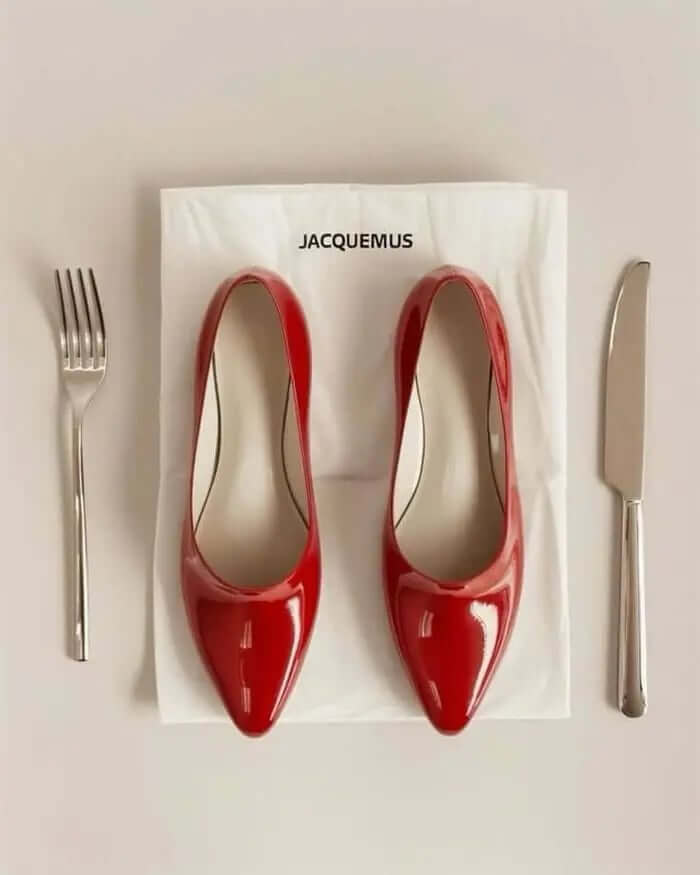
Brands like Jacquemus and Miu Miu demonstrate that storytelling and authenticity drive online engagement; therefore, your marketing plan should be an extension of your brand's personality.
Step 5: Create a Sales and Distribution Plan
Now that you’ve built a brand and marketing strategy, you need to decide how are you going to sell your products. This section of your clothing business plan should detail your sales channels, pricing strategy and distribution methods.
Some aspects you must consider are:
The E-commerce platforms are the most cost-effective way to launch for startups.
Wholesale: Partnering with boutiques or online retailers to expand reach.
Pop-ups & Fashion Events are great for brand exposure and direct customer feedback. In the last years, this kind of events have been key for luxury fashion brands to connect with Gen Z and millenials.
Direct-to-Consumer (DTC) sistem gives you full control over pricing, marketing and data.
In this step you have to define also your pricing strategy. It should balance your costs, target audience and brand positioning. For example, luxury brands price based on exclusivity, while sustainable startups focus on transparency and value.
Step 6: Operations and Production Planning
Behind every successful fashion label is a well-organized production process. Your operations section explains how your brand will bring designs to life.
Include:
Manufacturing Partners: Describe your suppliers and how you’ll ensure quality.
Supply Chain Management: Outline timelines, shipping processes, and logistics.
Inventory Management: How will you handle stock, returns, and seasonal items?
Technology Integration: Use digital tools to streamline production and marketing.
Step 7: Financial Planning and Projections
Your financial plan is where creativity meets business reality. This section of your fashion brand business plan should clearly show how your brand will make money — and when.
Key elements to include:
Startup Costs: Fabrics, equipment, website, branding, samples, and marketing.
Revenue Streams: Direct sales, wholesale, collaborations, or licensing deals.
Pricing Model: Average product price and profit margins.
Cash Flow Projections: Estimate monthly and yearly income and expenses.
Break-even Analysis: When will your business become profitable?
Investors will want to see realistic, data-backed numbers. It’s better to underpromise and overdeliver than to exaggerate expectations.
If you’re unsure how to forecast financials, consulting with an accountant or using a financial planning template can help you structure your projections accurately.
Step 8: Sustainability and Ethical Practices
In just a few years, it will be mandatory for all clothing brands to have a publicly available sustainability and traceability plan. Sustainability isn't a trend; it's a necessity if we want to continue living on this planet, and that's why laws are becoming stricter in this regard. Therefore, if you want to start a business, it's important to plan for the future and keep this in mind before it's too late.
Step 9: Risk Management and Contingency Planning
Every business faces challenges, especially in fashion. Prepare for potential risks and outline how you’ll manage them.
Examples include:
Delayed production or shipping issues.
Sudden trend shifts or low sales seasons.
Changes in material costs.
Dependence on a single supplier.
Having a backup plan for these scenarios shows investors you’re prepared for the unpredictable nature of fashion.
Step 10: Executive Summary
Though it appears first in your fashion startup business plan, it’s best to write your executive summary last. This section summarizes your entire plan in one page, capturing your mission, market opportunity, and vision for growth.
A strong executive summary should include:
Your brand name, mission, and concept.
A snapshot of your target market.
Your competitive advantage.
A brief overview of your financial outlook.
Make it inspiring and concise, it’s the first thing investors or partners will read.
Modelia: The Modern Tool for Fashion Entrepreneurs
As technology continues to reshape the fashion landscape, platforms like Modelia are revolutionizing how entrepreneurs build their brands. This platform helps startups design, visualize and promote their collections using AI generated models and styling simulations. With its AI tech the client is able to generate images for e-commerce and social media in just seconds and for an economic plan per month.
Conclusions of this step by step clothing business plan
Building a fashion brand is both art and business. A well-crafted clothing business plan helps you balance the two, turning passion into strategy and creativity into profit.
By defining your identity, understanding your market, and planning your finances, you create a foundation for success. And with tools like Modelia, today’s fashion startups can launch faster, smarter, and more sustainably than ever before.
Remember, your plan is not a one-time document, it’s a living guide that grows with your brand. Revisit it, refine it, and use it to keep your dream on course.
FAQ: Clothing business plan
1. Why is a clothing business plan important?
Because it helps transform your creative ideas into a structured roadmap for success, guiding design, marketing, and finance.
2. What should a fashion business plan include?
Brand identity, market research, product strategy, marketing, operations, financials, and sustainability.
3. How do I start a fashion startup with limited funds?
Begin small, focus on your niche, use digital platforms like Modelia for visual creation, and build brand awareness online before scaling.
4. How long should my business plan be?
Most plans range from 15 to 30 pages, depending on detail and scope. The key is clarity and coherence.
5. How can I make my clothing brand stand out?
Tell a unique story, prioritize quality, and create emotional connection with your audience. Authenticity is your greatest asset.


