

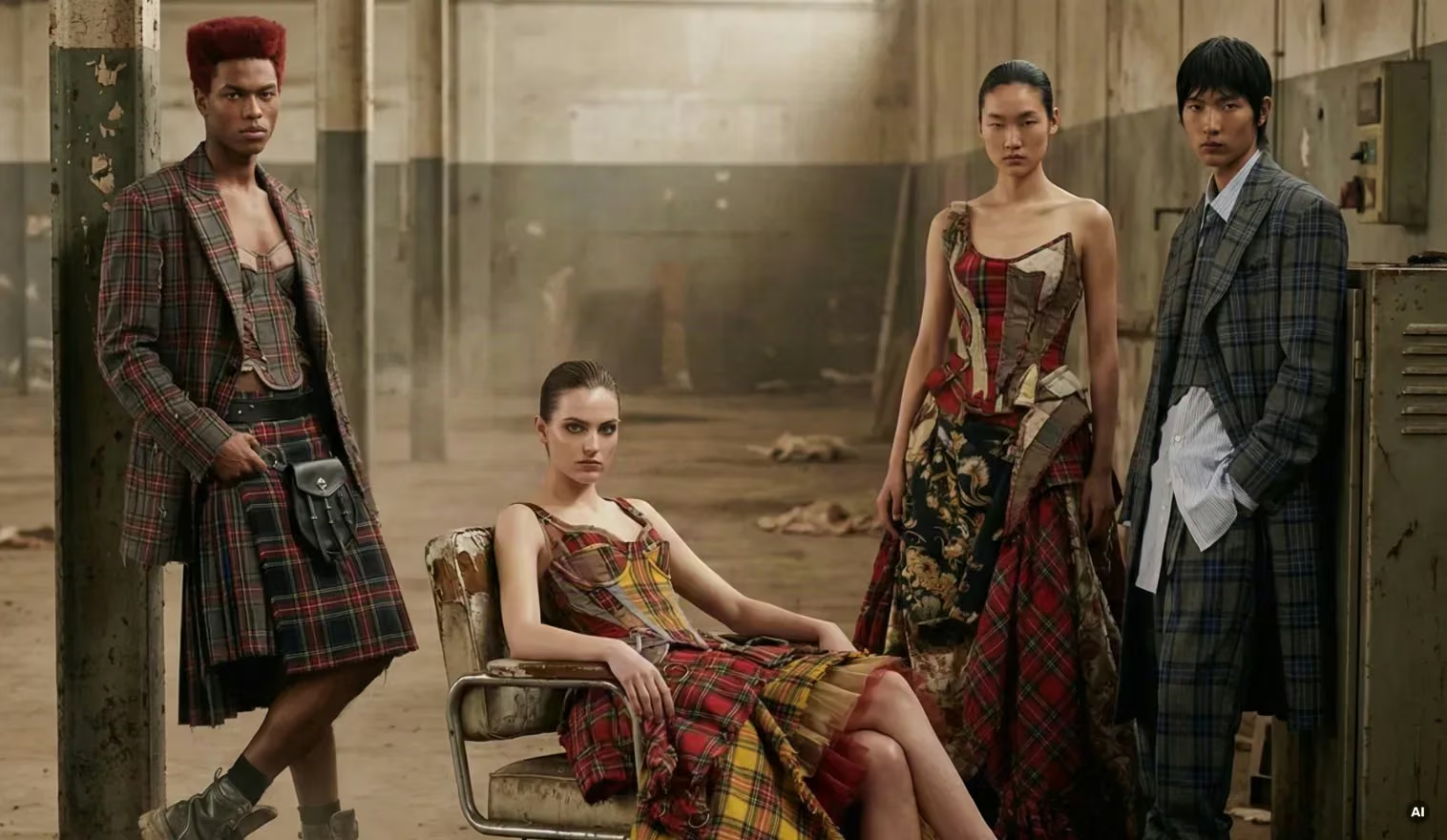
Between January and March, the most important fashion weeks in the world take place, the ones that will mark what we will be wearing next season, the ones that set the trends that we will gradually see on the streets. Across the runways, fashion is slowing down, refining its language, and focusing on details that carry meaning. The season it’s about clothes that speak quietly but confidently. The fashion week trends 2026 emerging from Copenhagen, Paris, Milan, London and New York reveal a fashion landscape that values texture over excess, function over fantasy, and identity over uniformity. Designers are no longer shouting to be heard, they’re building worlds you want to step into.
A New Kind of Elegance on the Runway
One of the most intense sensations seen on the runway this season is comfort. For years now, the trend has been to seek elegance in comfort rather than rigidity. Tailoring remains fundamental, but it has been softened, reshaped, and made more human.
Blazers drape more naturally, and trousers are wider instead of perfectly fitted. Dresses are designed for movement, with flowing, lightweight fabrics, not for posing. This shift creates garments that feel relevant beyond the runway, and that's precisely why these runway trends have such a profound impact.
Winter Whites and Soft Neutrals Take Over
The color palettes on the runways were serene yet impactful. Winter whites became a key element, proving that light tones can feel just as strong in the colder seasons. Designers played with layers of ivory, cream, and off-white, creating depth through texture rather than contrast.
Alongside white, soft neutrals predominated. Warm grays, stone, taupe, and muted beige replaced the more austere winter palettes. These tones create a sense of continuity and sophistication, making the collections feel timeless rather than trend-driven.
For brands and e-commerce visuals, this palette offers clarity. It allows silhouettes and materials to shine while creating collections that feel cohesive and sophisticated.
Texture Is the New Statement
Instead of bold prints or heavy graphics, designers focused on texture as their main expressive tool. Knits were chunky and tactile, wool appeared brushed and raw. Fabrics showed their imperfections proudly.
This tactile approach adds emotional depth to garments. Clothes feel comforting, protective, and real. On the runway, texture created visual rhythm. In digital spaces, it becomes a storytelling asset. Fashion week trends in 2026 show that luxury is no longer about shine. It’s about how something feels, even through a screen.
Layering as a Creative Language
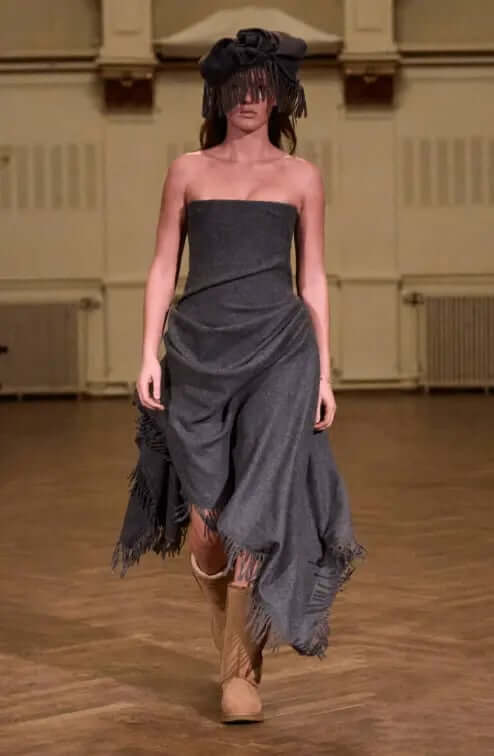
Layering wasn’t just styling this season, it was structure. Shirts extended beyond coats and knits wrapped around dresses. Scarves became architectural elements rather than accessories. This approach reflects how people actually dress, especially in colder climates and it also creates versatility, allowing one garment to exist in multiple contexts.
From a brand perspective, layered looks offer endless visual possibilities. One piece can tell several stories, depending on how it’s styled. That flexibility is invaluable in both editorial content and ecommerce storytelling.
The Quiet Power of Utility
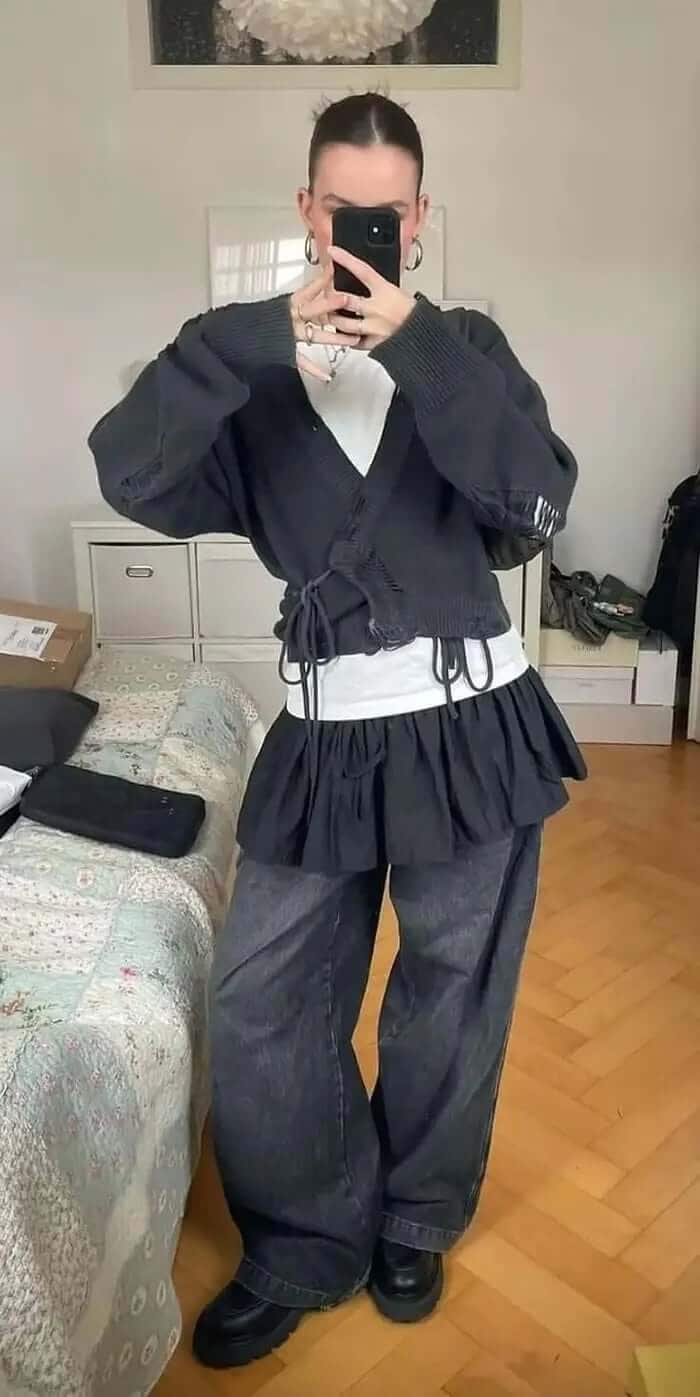
Utility details appeared everywhere, but in a refined, almost understated way. Pockets, straps, toggles and adjustable elements were integrated seamlessly into garments. This isn’t utilitarian fashion as rebellion. Clothes that adapt, protect and support without sacrificing beauty.
The message is clear. Fashion week styles in 2026 are responding to real needs. People want clothes that work, not just impress.
Headwear Takes Center Stage
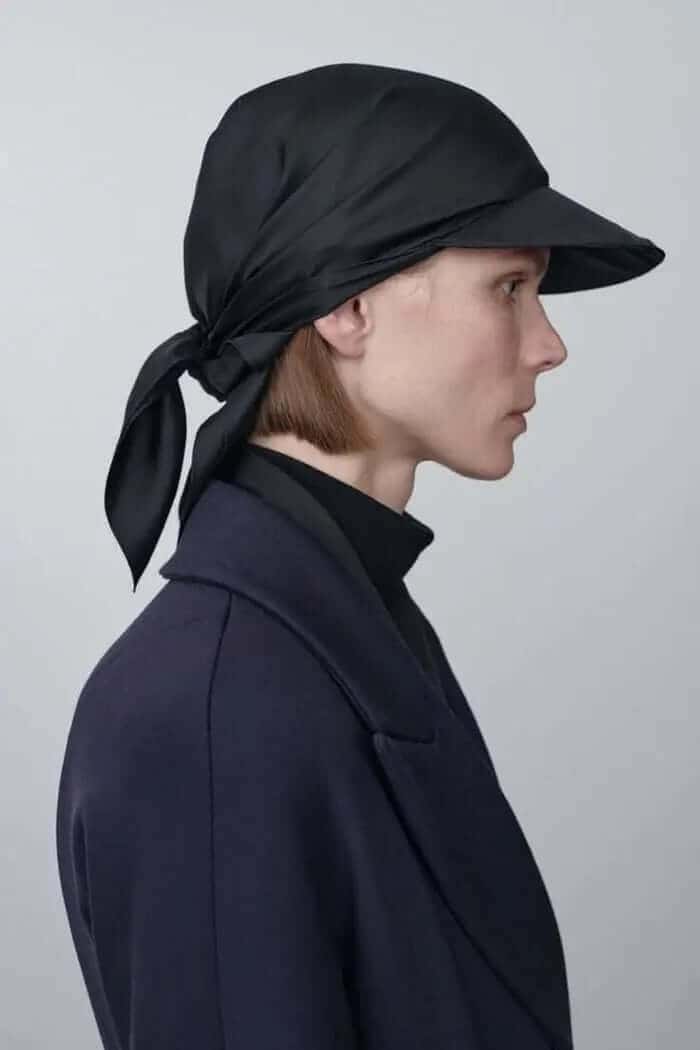
One of the most interesting shifts this season was the renewed focus on headwear. Hats and beanies were no longer finishing touches. They became key components of the look.
From sculptural wool hats to soft knitted beanies, headwear added personality and attitude to outfits. Some looks felt nostalgic, referencing classic silhouettes, while others leaned modern and playful.
Hoods also played a significant role, often integrated directly into coats or dresses. These designs blurred the line between garment and accessory, reinforcing the idea of clothing as a complete system. In 2026, headwear is a big YES.
Scarves, Wraps and Necklines
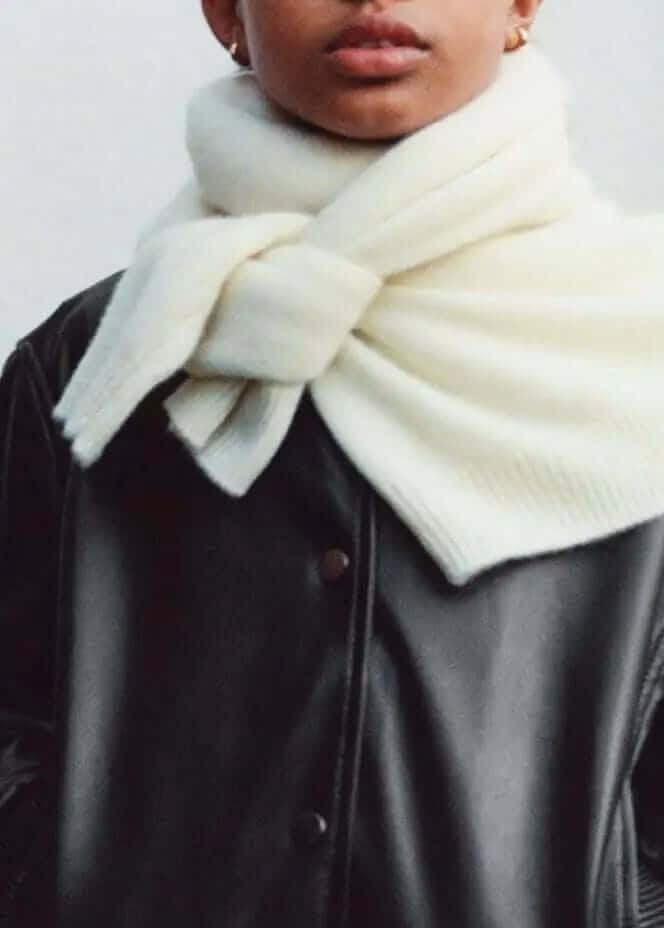
Scarves appeared everywhere, wrapped, layered, tied or draped in unexpected ways. They weren’t styled delicately. They were bold, oversized and central to the silhouette. High necklines and sculptural collars complemented this trend, drawing attention upward and redefining proportions. These details create strong visual anchors, especially in close-up imagery.
Together, scarves and necklines added drama without excess. They offered warmth, elegance, and individuality, all at once.
Navy and the Return of Deep Classics
While black remains timeless, navy emerged as a powerful alternative. Deep blues appeared in tailoring, outerwear, and layered looks, offering depth without heaviness.
Navy feels serious but softer than black. It works across genders, styles, and seasons. Its presence on the runway signals a shift toward classic tones that still feel modern.
In contrast, designers also played with bold color accents. These moments of brightness felt intentional, adding energy without overwhelming the collection.
Upcycling Becomes Visible and Proud
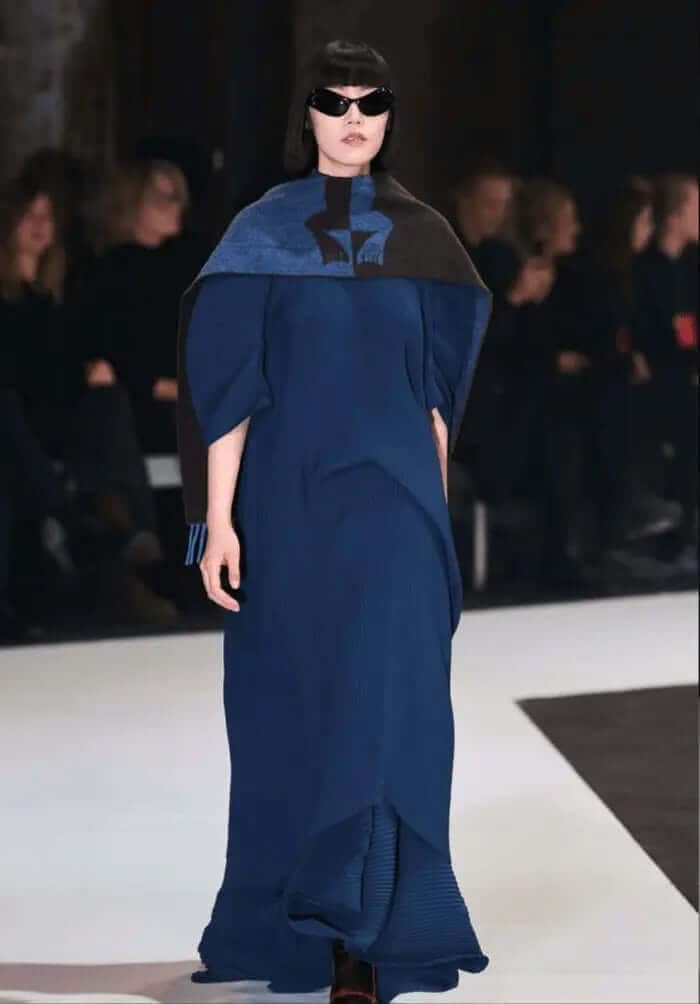
Sustainability was not hidden behind clean lines. It was visible. Garments showed signs of reconstruction, reuse, and transformation. Upcycled elements added texture, history, and character. Instead of disguising their origins, designers highlighted them, turning sustainability into an aesthetic choice.
This approach adds emotional value to clothing. Each piece feels like it carries a story, which is exactly what modern consumers connect with.
How These Trends Translate Beyond the Runway
The beauty of fashion week trends 2026 lies in their adaptability. These looks are not confined to runway fantasy. They’re designed to move into real wardrobes and digital storefronts.
Soft tailoring photographs well on diverse bodies. Neutral palettes create cohesive collections. Texture and layering add depth to product imagery. Accessories like scarves and hats offer upsell opportunities without forcing excess.
Brands that understand how to translate these elements into visual storytelling will create stronger connections with their audiences.
The Emotional Shift in Fashion
Perhaps the most important trend of all is emotional. Fashion in 2026 feels calmer, warmer and more grounded. There’s less pressure to impress and more desire to connect. Clothes are designed to support identity rather than perform it. This emotional intelligence is what makes the season feel relevant and lasting.
Final Thoughts
The fashion week trends 2026 signal a mature, thoughtful evolution of style. Designers are moving away from noise and toward nuance. From winter whites and tactile textures to expressive headwear and softened tailoring, the season is rich in detail and intention.For brands, creators, and fashion lovers alike, 2026 is shaping up to be a year where fashion feels more human, more wearable, and more meaningful than ever before.
Visit Modelia and keep learning about fashion and AI
FAQs: Fashion Week Trends 2026
What are the main fashion week trends for 2026?
Soft tailoring, layered silhouettes, winter whites, textured fabrics, expressive headwear, and visible sustainability.
Are hats and accessories important in 2026 fashion?
Yes. Headwear, scarves, and sculptural necklines play a central role in defining silhouettes and personal style.
What colors dominate the runways?
Neutral tones, winter whites, deep navy, and carefully placed accent colors.
How do these runway trends affect everyday fashion?
They make high fashion more wearable, adaptable, and emotionally connected to real life.
Why is Copenhagen influencing fashion trends so strongly?
Because it balances creativity, sustainability, and practicality in a way that feels relevant to modern lifestyles.


