

An AI person generator is a digital tool powered by artificial intelligence that allows you to create hyper-realistic human images in seconds. Unlike stock photos, where you are limited to existing images, AI generators can produce entirely new faces and full-body visuals that never existed before. These digital humans can be customized to reflect different ages, styles, ethnicities and even clothing options, making them incredibly versatile for creative projects.
Whether you need a model for a campaign, a digital persona for UX testing or simply want to explore character creation, AI person generators open up a world of possibilities without the traditional limitations of time, budget, or availability.
How To Create People With AI?
AI person generators might look magical from the outside, but at their core, they’re powered by sophisticated neural networks trained on millions of examples of human features. Instead of copying faces, the system learns the underlying patterns of what makes a person look realistic and then uses that knowledge to create brand-new digital humans.
The process usually follows a simple flow. First, you decide on the details you want, things like gender, age, hairstyle, clothing, or even the overall vibe of the character. Once you’ve entered your preferences, the AI interprets them and begins piecing together a unique image by blending textures, proportions, and lighting in a way that feels natural. In just a few seconds, you have a realistic-looking person ready to use. From there, you can download the image and include it in anything from product catalogs to design mockups or marketing visuals.
The beauty of this technology is that it balances speed with creativity, allowing you to produce lifelike images at scale without the long timelines or costs that traditional methods demand.
Why Are AI Person Generators So Useful?
The use cases for AI humans are expanding fast, and different industries are finding unique ways to integrate them.
For marketing and design, brands can instantly create custom models that perfectly match their campaign aesthetic without organizing a professional photoshoot. In e-commerce, stores can present clothing on diverse body types and styles, giving shoppers a better sense of how items will look in real life. Educators and trainers are also getting creative, using AI characters for digital storytelling, classroom simulations, or role-playing exercises.
In entertainment, game studios and content creators can quickly design avatars, extras, or background characters, cutting down on production time. Even individuals are experimenting with these tools, for example, trying out how a haircut, an outfit, or a style would look on a realistic model before making changes in real life.
Ultimately, digital human images lower the barriers to giving people more flexibility and control over how they bring characters to life in both professional and personal projects.
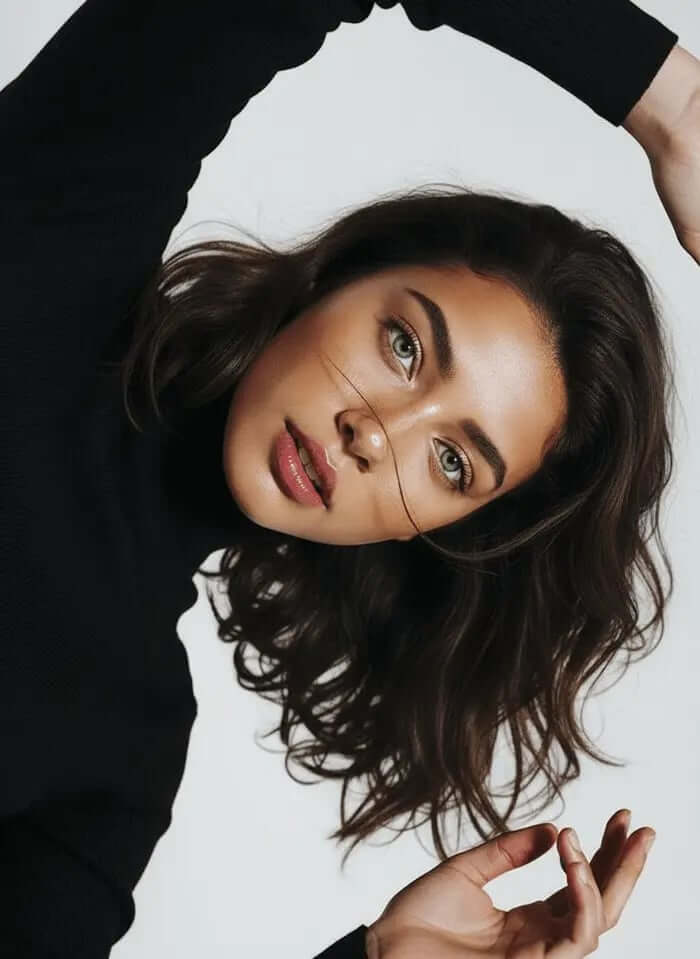
Benefits of Creating Digital Humans with AI
Using AI to create realistic people comes with a number of advantages compared to traditional methods:
Cost-Efficient: No need for models, photographers, or studios.
Scalable: Generate thousands of unique faces or full-body images instantly.
Diversity on Demand: Represent different ages, body types, and styles.
Customization: Tailor clothing, expressions, and poses to your needs.
Always Available: No scheduling, travel, or logistical barriers.
These benefits make AI human generators particularly appealing to industries that depend on visual variety.
AI Person Generator in Fashion and E-Commerce
In the fashion industry, AI-generated people are revolutionizing how collections are presented. Instead of relying solely on traditional photoshoots, brands can now:
Showcase clothing on models of different body types, ages, or ethnic backgrounds.
Create consistent visuals for online shops and lookbooks.
Test different outfits and styling options before production.
Generate campaign-ready visuals quickly and affordably.
Platforms like Modelia take this a step further, offering the ability to generate AI models in customizable outfits, allowing brands to visualize entire collections digitally before they hit the runway or store.
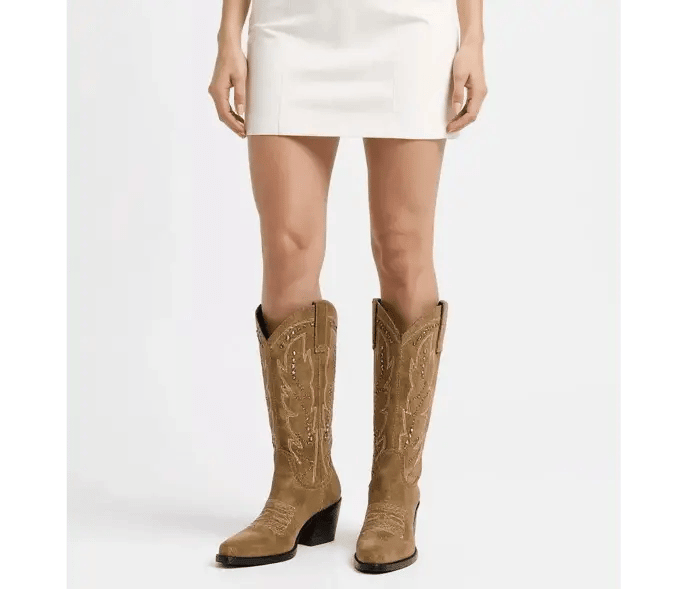
AI Model generator
AI model generators are transforming the fashion and e-commerce industries by creating hyper-realistic digital models that can showcase clothing, accessories, and complete outfits without the need for traditional photoshoots. Unlike generic person generators, these tools are specifically designed for the fashion world, allowing brands to experiment with different body types, ethnicities, and styling options instantly.
For designers, this means the ability to test how garments look on diverse models before investing in physical production. For e-commerce teams, it enables the creation of professional product visuals at scale, ensuring consistency across entire catalogs.
One of the biggest advantages of AI model generators is their flexibility. You can generate models that reflect specific demographics, seasonal styles, or campaign themes, ensuring that every collection resonates with its target audience. Additionally, because everything is digital, it is faster, more sustainable, and significantly more cost-effective compared to traditional methods.
Platforms like Modelia make this process seamless by allowing brands to upload garment images and instantly generate AI models wearing those outfits. This creates a complete workflow from design to visualization, giving fashion companies a competitive edge in presenting their collections online and in marketing campaigns.
AI model generators are not only shaping the way fashion brands design and sell, but also redefining inclusivity and creativity in the industry.
Check Modelia and try it out for free!
The Future of AI Human Generators
As AI continues to advance, the realism and functionality of digital human creation will only improve. Future developments may include:
Animated AI Humans: Bringing digital people to life with movement and speech.
3D Digital Humans: For immersive experiences in gaming, VR, and AR.
Personalized AI Personas: Custom avatars tailored to individuals for social or professional use.
Real-Time Generation: Instantly creating people during live design sessions.
The boundary between physical and digital representations of humans is quickly fading, and AI person generators are at the forefront of this change.
Conclusion
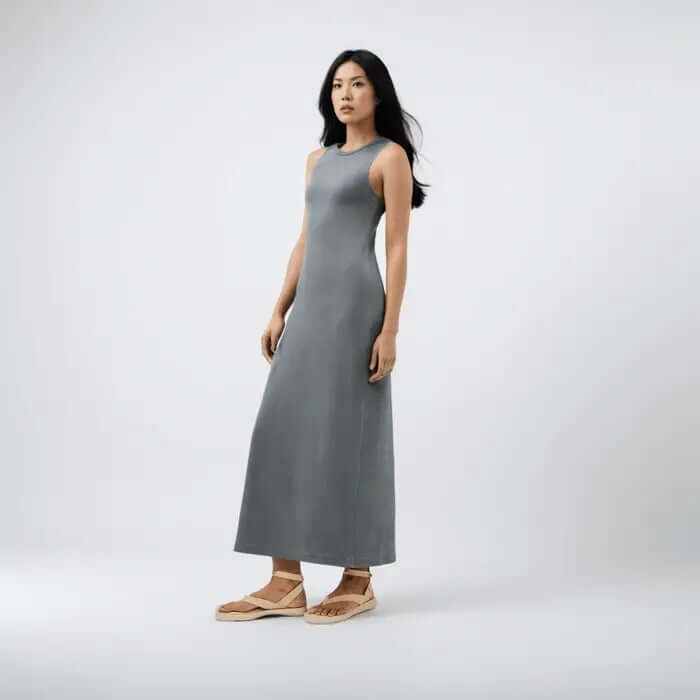
The AI person generator is reshaping how we create and use human images across industries. From fashion to gaming, from marketing campaigns to personal projects, the ability to generate realistic digital humans instantly makes creativity more accessible than ever.
With tools like Modelia, fashion and e-commerce brands in particular can take advantage of this technology to speed up workflows, diversify their visuals, and experiment with new creative directions without the constraints of traditional production.
AI human creation is no longer futuristic, it’s here, it’s practical, and it’s transforming the way we see people in digital spaces.
FAQ: AI Person Generator
What is an AI human creator?
An AI person generator is a tool that creates realistic images or profiles of people using artificial intelligence, often for use in design, marketing, testing, or creative projects.
How does an AI person generator work?
It uses deep learning models trained on large datasets to produce lifelike human faces or avatars. Some tools can also generate full-body models, bios, or personalities.
Is it ethical to use AI-generated people?
Yes, when used responsibly. AI-generated people can reduce the need for stock photos, protect privacy, and provide diversity in visuals. However, transparency is important to avoid misleading use.
What are the applications of AI person generators?
They are used in advertising, UX/UI testing, gaming, fashion modeling, storytelling, and even training simulations where realistic but fictional characters are needed.


